Overview

Artificial hair implants, also known as hair transplants or hair restoration procedures, are designed to address hair loss and thinning by transplanting artificial (synthetic) hair fibers into the scalp. Unlike natural hair transplants, which use the patient’s own hair follicles, artificial hair implants utilize specially designed synthetic fibers that mimic the look and feel of real hair. This procedure is commonly used by individuals who have significant hair loss due to genetic factors, medical conditions, or trauma.
  • Types: Synthetic hair fibers or artificial hair strands are typically made from polymers or other biocompatible materials.
  • Target Areas: Most commonly performed on the scalp, but can also be used for eyebrows, eyelashes, and facial hair.
  • Benefits: Immediate results with no need for a donor hair source, non-invasive, and faster recovery time compared to traditional hair transplant methods.

Consultation

The consultation phase is crucial to determining if artificial hair implants are a suitable option for the patient. During this phase:
  • Initial Evaluation: The specialist assesses the patient’s hair loss condition, scalp health, and overall suitability for artificial hair implants.
  • Medical History: The doctor will review any medical conditions, medications, or allergies that may affect the procedure.
  • Customization: The type, thickness, and color of the artificial hair are selected to match the patient’s natural hair for a seamless look.
  • Risks and Expectations: The doctor will explain the potential risks, side effects, and realistic outcomes of the procedure.
  • Cost Estimate: Patients will be given an estimated cost for the procedure based on the complexity and number of implants required.

Procedure

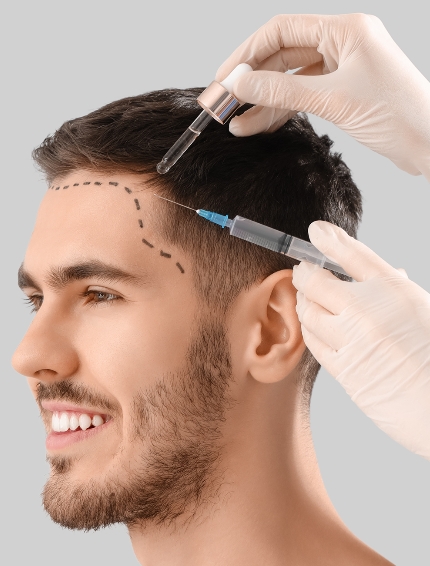
    The artificial hair implantation procedure is generally performed under local anesthesia. The steps are as follows:
    • Preparation: The scalp is cleansed, and local anesthesia is applied to numb the area where the hair will be implanted.
    • Hair Implantation: Using specialized tools, the surgeon inserts the synthetic hair fibers into the scalp at precise depths and angles, mimicking natural hair growth patterns.
    • Session Duration: The procedure may take several hours, depending on the extent of hair loss and the number of implants needed.
    • Post-Procedure Care: The doctor will provide instructions for post-operative care, including scalp hygiene and the use of any prescribed medications or ointments to promote healing.

After Surgery

    After the artificial hair implantation procedure, patients can generally return to normal activities, although some care is required for optimal results:
    • Recovery Period: Most patients can resume daily activities within a few days. Mild swelling or discomfort may occur around the implanted areas.
    • Hair Care: Post-surgery, patients should avoid scratching the scalp, washing their hair with harsh products, or applying heat treatments for the first few weeks.
    • Follow-Up: A follow-up consultation is usually scheduled within a few weeks to monitor the healing process and check for any issues such as infection or rejection of the artificial hair.
    • Appearance: The newly implanted synthetic hairs will appear fuller and denser immediately, although some shedding may occur within the first few weeks.

Complications

    As with any medical procedure, artificial hair implants may involve certain risks and complications:
    • Infection: Although rare, infections can occur at the site of implantation. Proper aftercare and hygiene can reduce this risk.
    • Rejection of Hair Fibers: In some cases, the scalp may reject the synthetic fibers, leading to hair shedding or discomfort.
    • Scalp Irritation: Mild irritation, redness, or itching may occur, especially during the healing period.
    • Unnatural Appearance: If not properly executed, artificial hair implants can result in a less-than-natural look, including improper density or an unnatural hairline.
    • Long-Term Maintenance: Synthetic hair may require regular upkeep, such as re-implantation or replacement of fibers, to maintain a natural appearance over time.

We provide quality care that treats everyone.

Book an Appointment
Book appointment image
Book an Appointment